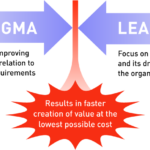
Why Six Sigma?
Numerous articles have been written about the success that Motorola, General Electric, and other large corporations have experienced improving processes, identifying waste, and savings millions of dollars utilizing a Six Sigma approach. However, the same can’t be said of small and medium-sized organizations. The reality of this situation is that smaller businesses have been led to believe that the Six Sigma process is complicated, expensive, and requires a large budget.
What is needed is a repeatable process that allows the organization to identify, analyze, measure, and improve its core processes. This can be accomplished with simplified tools and methods that focus on customer information, process capabilities, costs of poor quality, and organizational goals and objectives.
Benefits for Smaller Companies
Small to medium-sized companies that have successfully implemented Six Sigma generally are more favorable to new business process thinking and have fewer entrenched systems than larger corporate entities. In addition, smaller businesses are susceptible to ever-changing priorities, and Six Sigma makes it easier for the business to align performance improvement projects with core business objectives and strategies. The Six Sigma process model represents a major opportunity for cost savings. Smaller businesses historically maintain error rates in the 25-35% range and opportunities for improvement can be achieved faster and affect the health of the business positively.
The Process of Process Improvement
The approach you and your organization takes is dependent on the depth and breadth of your improvement scope. Examples of questions that may need to be answered include:
1. Improvement goals defined and are they achievable and measurable?
2. Do we know what our core/critical processes are that deliver value to our customers and provide us the returns we need?
These key business processes are not support processes such as human resources, or budgeting. Most organizations have somewhere between five to eight core customer/mission essential processes such as order fulfillment, product design and development.
3. Do we have the necessary information and data relating to voice collection of our customers, our business, and our processes?
4. Have we mapped our key business processes and identified key measures that will be used for identifying needs, process input and output requirements, current importance and satisfaction levels, including identifying critical process gaps?
It is important to understand that the scope of the project will determine what steps are necessary for success. These steps may seem straight-forward, but they require effort.
Elements for success include:
Involvement from management
Clear definitions of customer requirements
Honest and relevant current performance measurement data
Shared understanding and cross-functional teamwork of business processes
A disciplined approach from all involved
Rewarding and recognizing performers
Institutionalizing the approach for maximum results now and in the future.